Step-by-Step Guide: How to Use Exchanges Partnered with Binance

If you are exploring the world of cryptocurrency trading, you may have come across the term “Binance partner exchanges.” These are platforms that have established official partnerships with Binance, one of the largest and most trusted crypto exchanges in the world. Understanding how to use these exchanges can open up additional trading pairs, lower fees, and enhanced liquidity. This guide walks you through the practical steps of using a Binance partner exchange effectively.
First, it is important to identify which exchanges are officially partnered with Binance. Common examples include platforms like FTX (prior to its collapse), WazirX, and certain regional exchanges under the Binance Link program. To verify a partnership, always check the official Binance website or its announcements. Using an unverified platform can expose you to security risks.
Once you have chosen a verified partner exchange, the next step is registration. Most partner exchanges allow you to sign up using your email address or phone number. Some even offer a “Log in with Binance” option via the Binance Connect or OAuth integration. This feature simplifies the process because your KYC (Know Your Customer) data may be shared or already verified, reducing the time needed to start trading. However, note that you may still need to complete a separate KYC on the partner exchange depending on local regulations.
After registration, funding your account is a critical step. Binance partner exchanges often support direct transfers from Binance itself. For instance, you can deposit cryptocurrencies like USDT, BTC, or BNB from your Binance wallet to the partner exchange using a simple withdrawal and deposit process. Some platforms even enable internal transfers at near-zero cost. Always double-check the deposit address and network type (e.g., BEP-20, ERC-20) to avoid losing funds.
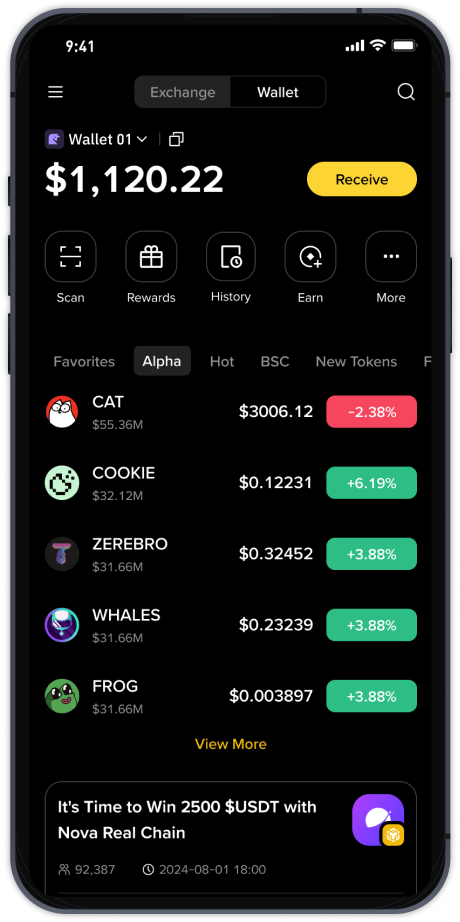
Once your funds are deposited, you can begin trading. Partner exchanges typically offer a user interface similar to Binance, including spot trading, margin trading, and futures. The order types—market, limit, and stop-limit—are also standard. Many users prefer partner exchanges for lower trading fees, as these platforms often provide special fee discounts for users connected through Binance. Additionally, some partner exchanges list tokens earlier than Binance, giving you access to new projects before they hit mainstream trading.
Security should remain a top priority. Even though the exchange is partnered with Binance, you must enable two-factor authentication (2FA), withdraw to cold wallets for long-term holdings, and never share your API keys unless absolutely necessary. Partner exchanges usually follow Binance’s security standards, but individual platform vulnerabilities can exist. Always review the exchange’s security history and user reviews before committing large amounts.
Finally, benefits and risks exist on both sides. Using a Binance partner exchange can give you better arbitrage opportunities, access to regional fiat on-ramps, and lower latency for certain trading pairs. On the other hand, the failure of the partner exchange (as seen in some cases) can affect your funds indirectly. Therefore, spread your holdings across multiple trusted platforms and never keep all assets in a single exchange.
In summary, using a Binance partner exchange is straightforward once you understand the verification, funding, and trading processes. By staying cautious and leveraging the connectivity between Binance and its partners, you can enhance your trading efficiency and explore new markets with confidence.