How to Use Binance: The “Darkest” Exchange Claims Explained – A Practical Guide
Binance is often labeled by some critics as the “darkest” cryptocurrency exchange, a term usually referring to its aggressive expansion, listing of high-risk tokens, and past regulatory battles. But for many users worldwide, Binance remains the most liquid and feature-rich platform. If you are wondering how to use Binance despite these controversies, this guide cuts through the noise and shows you the practical steps—from account creation to advanced trading.
First, you need to understand why the “darkest” reputation exists. Critics point to instances where Binance listed tokens that later crashed hard, or where the exchange faced scrutiny from regulators in the UK, Japan, and the US. However, “dark” does not mean “broken.” Binance still offers spot trading, futures with up to 125x leverage, staking, and a vast altcoin selection. To use it safely, start with a basic account. Go to binance.com, click “Register,” and use your email or phone number. Enable two-factor authentication immediately—this is non-negotiable. Many complaints about Binance come from users who neglected security.
Next, fund your account. Binance supports direct crypto deposits from wallets or other exchanges. If you need to buy crypto with fiat currency, you can use a peer-to-peer marketplace or third-party payment providers on the “Buy Crypto” page. Be aware that Binance has paused some fiat gateways in certain regions due to local regulations. Always check your country’s status on Binance’s support page. This is one area where the “darkest” label sticks: the exchange has been known to restrict services without much warning.
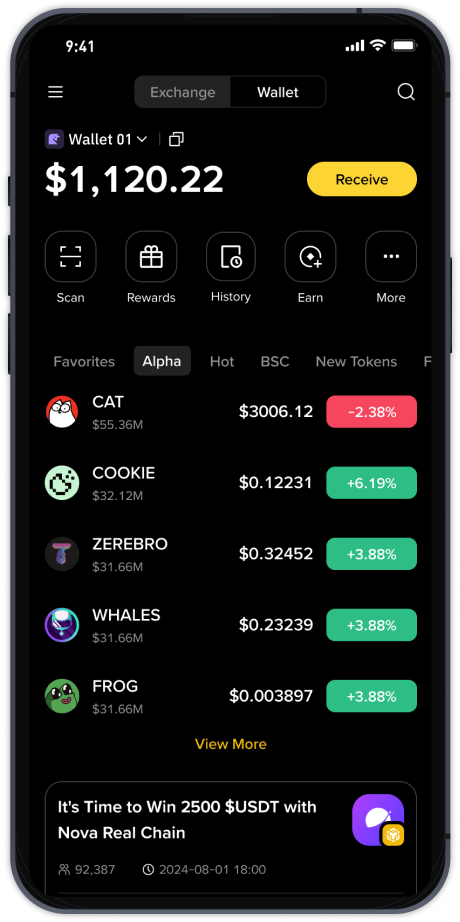
Now, trading on Binance. The interface offers two modes: “Basic” for simple buy/sell orders and “Advanced” for technical chart analysis. For beginners, use the Basic view. Select a trading pair like BTC/USDT, enter the amount, and place a limit or market order. Advanced users often prefer the “Dark Mode” interface (ironically, not related to the negative reputation) which reduces eye strain. Binance’s matching engine is extremely fast, often processing trades in milliseconds. However, during high volatility, you might experience slippage—your order fills at a worse price than expected. This is common on any large exchange, not just Binance.
Binance also offers “Earn” features like staking, savings, and flexible loans. These can generate passive income, but they carry risks. For example, some “locked staking” products lock your funds for 30 to 90 days. If the market crashes, you cannot withdraw. Critics often highlight these opaque lock-up terms as part of the “darkest” narrative. So, if you choose to use these features, only allocate money you can afford to lose and read the fine print carefully.
Finally, withdrawing funds. Go to “Wallet” > “Withdraw,” select the crypto, enter the address, and confirm. Binance has withdrawal limits based on your verification level. Unverified accounts have very low limits. To increase them, complete KYC (Know Your Customer) verification by uploading your ID. Ironically, full KYC makes Binance less “dark” and more compliant—but it also means your data is stored. If you value privacy, you might dislike this trade-off.
In summary, using Binance is straightforward, but you must navigate its “darkest” aspects with caution—unexpected restrictions, high risk products, and regulatory changes. Stick to spot trading, secure your account, and never invest more than you can lose. The platform is powerful, but only if you use it wisely.