How to Use Binance (Binance Exchange): A Comprehensive Guide from Zhao Changpeng’s Platform

Binance, founded by Zhao Changpeng (commonly known as CZ), is one of the world’s largest and most popular cryptocurrency exchanges. If you are new to crypto trading and wondering “how to use Binance,” this guide will walk you through the essential steps, from account creation to executing your first trade. Understanding the platform’s core features is key to navigating the Binance exchange effectively.
First, you need to create a Binance account. Visit the official Binance website or download the Binance app from a trusted source. Click “Register” and provide your email address or phone number. You will be required to set a strong password. After registration, verify your identity through email or SMS. For full access to trading features and higher withdrawal limits, you must complete the KYC (Know Your Customer) process by submitting a government-issued ID and a selfie. This step is mandatory for most users under Zhao Changpeng’s compliance-focused approach.
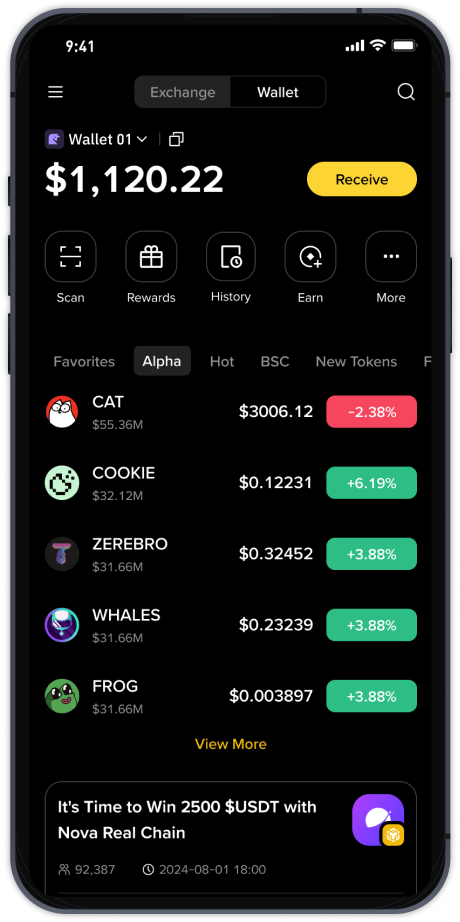
Once your account is set up, the next step is depositing funds. Binance supports deposits in both fiat currency (like USD, EUR) and cryptocurrencies. To deposit crypto, go to “Wallet” > “Deposit,” select the currency (e.g., BTC or USDT), and copy the deposit address. Send crypto from an external wallet to this address. For fiat deposits, you can use bank transfers, credit/debit cards, or P2P trading. The P2P platform allows you to buy crypto directly from other users using local payment methods, often with zero fees.
Now, you are ready to trade. The Binance exchange offers multiple trading interfaces: “Classic,” “Advanced,” and “Margin.” For beginners, the “Classic” mode is sufficient. Navigate to “Trade” > “Classic.” You will see a chart displaying price action, a list of trading pairs (like BTC/USDT), and an order book. To place a market order, enter the amount of crypto you want to buy or sell, then click “Buy” or “Sell” at the current market price. For more control, use a “Limit Order”: set your target price, and the trade will execute only when the market reaches that level.
Security is a major priority on Binance, a principle strongly emphasized by Zhao Changpeng. After trading, ensure your assets are secure. Enable “2FA” (Two-Factor Authentication) using Google Authenticator or a hardware key. Also, consider using the “Binance Secure Asset Fund for Users” (SAFU), an emergency insurance fund that protects user funds in rare events. Never share your private keys or password with anyone.
Beyond basic trading, Binance provides a wide range of tools. You can use “Binance Earn” to stake coins, earn interest through “Savings,” or participate in “Launchpad” for new token sales. These features make Binance more than just an exchange; it is a full ecosystem for crypto finance. For advanced users, the platform also offers futures and options trading, but these carry higher risk and require significant experience.
To withdraw funds, go to “Wallet” > “Withdraw.” Select the cryptocurrency, enter the recipient wallet address, and confirm the amount. Double-check the address, as blockchain transactions are irreversible. Withdrawals may require email and 2FA confirmation. Fees vary by coin and network type (e.g., ERC-20, BEP-20). Choosing the BEP-20 (Binance Smart Chain) network often reduces fees significantly.
In summary, using the Binance exchange involves five steps: registration with identity verification, depositing funds, choosing your trading pair, executing a trade, and withdrawing assets. Under Zhao Changpeng’s leadership, Binance has evolved into a user-centric platform with high liquidity, competitive fees, and robust security. Whether you are a casual investor or a professional trader, Binance offers the tools necessary to participate in the crypto market. Always start with small amounts to practice, and stay updated on the platform’s new features via the Binance blog or official announcements.